
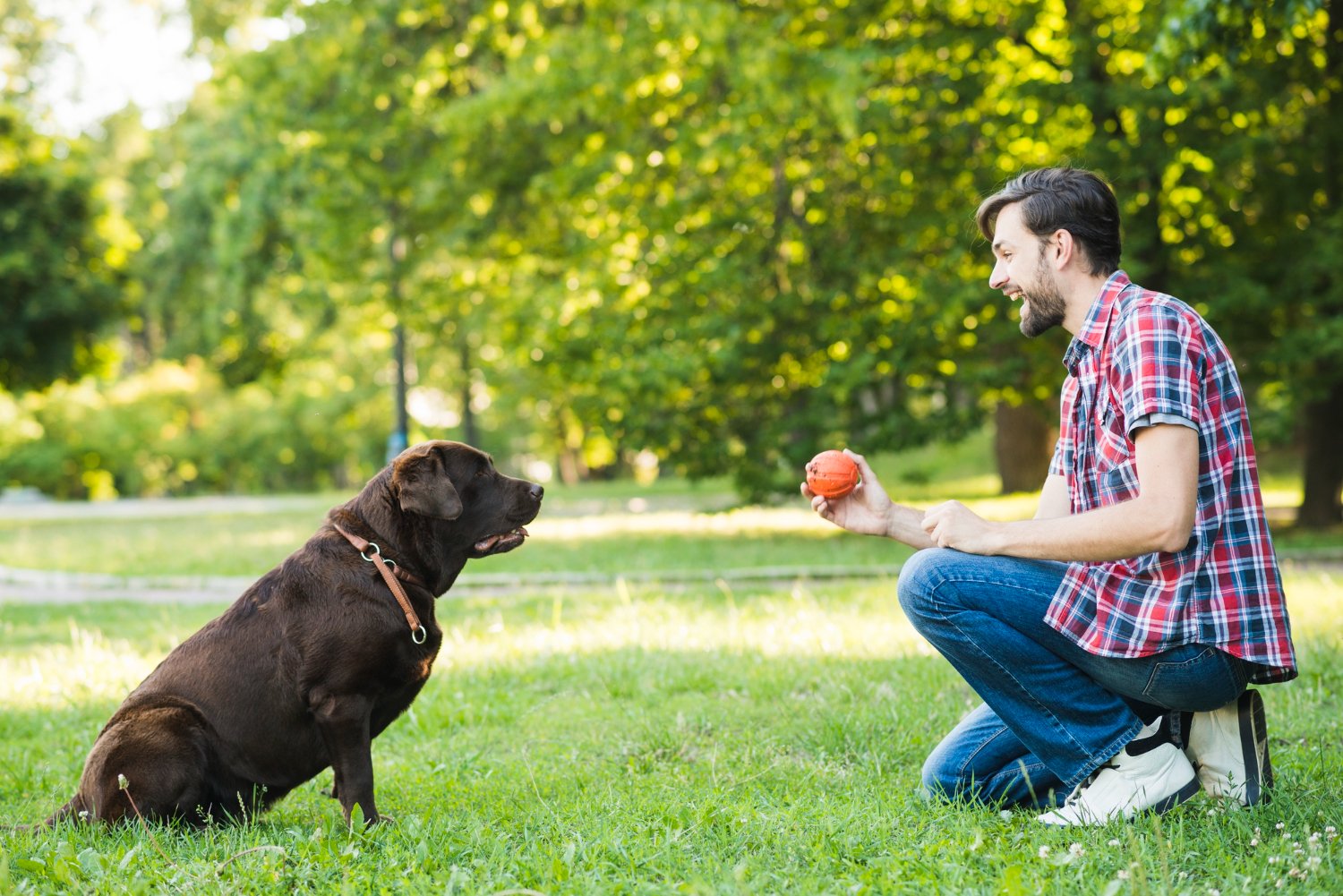
For dog owners in Chicago, spring is often the moment when everything changes. After months of cold weather, snow, and shorter walks, dogs suddenly find themselves outside far more often. Parks reopen fully, walking trails fill up, and neighbourhoods become much more active.
While the warmer weather is great for exercise, it can also reveal behaviour problems that weren’t as noticeable during winter. Dogs that were relatively calm during colder months may suddenly appear distracted, reactive, or overly excited.
This isn’t unusual. A dramatic increase in stimulation can challenge even well-trained dogs.
Here are some of the most common behaviour issues owners begin noticing in spring, and what can be done to address them.
After a quieter winter, dogs can become overwhelmed when spring activity returns. Busy parks, cyclists along lakefront trails, and increased foot traffic can create a lot for a dog to process.
When dogs struggle to handle this stimulation, it often shows through barking, pulling, or difficulty listening to commands.
Training approach
Instead of immediately heading into the busiest areas, start by reintroducing structure in quieter locations. Gradually increase the level of activity around your dog as their focus improves.
Building engagement with the handler is essential before expecting your dog to perform well in high-distraction environments.
During winter, many dogs interact with fewer dogs simply because fewer people are outside. Once spring arrives, dogs suddenly encounter other dogs far more frequently.
For some dogs, this can lead to intense excitement whenever another dog appears.
This excitement often looks like:
Even when it appears friendly, this lack of control can create problems.
Training approach
Dogs should learn to remain calm and neutral around others rather than greeting every dog they see. Practising calm pass-bys and rewarding relaxed behaviour can help build better habits.
Spring also means more wildlife activity throughout Chicago’s parks and green areas. Squirrels, birds, and other small animals become much more visible.
For dogs with a prey drive, this can lead to chasing behaviour or sudden loss of focus during walks.
Training approach
Recall training becomes extremely important in environments where wildlife is present. Owners should practise recall frequently in controlled environments before allowing dogs greater freedom.
Using a long lead during training can help reinforce reliability while keeping the dog safe.
Longer walks and exciting environments often cause dogs to forget their lead manners. A dog that previously walked well during winter may suddenly begin pulling in every direction.
This happens because the environment itself becomes highly rewarding.
Training approach
Re-establish clear walking expectations. Stop forward movement when pulling occurs and reward the dog when they return to a calm walking position.
Consistency during every walk will help rebuild good habits.
Although behaviour issues may appear more noticeable during spring, this time of year also provides the perfect opportunity for training.
Dogs are exposed to more environments, more distractions, and more social situations. With proper guidance, these experiences can build confidence and stronger obedience.
For many owners, spring is the ideal time to refocus on structured training and reinforce the behaviours that make daily life with a dog enjoyable.
At Trident, we understand that dogs require constant attention and care. That’s why our head trainer lives on site to ensure 365 24-hour care and attention.
Mon – 08.00-18.00
Tue – 08.00-18.00
Wed – 08.00-18.00
Thu – 08.00-18.00
Fri – 08.00-18.00
Sat – 08.00-18.00
Sun – 08.00-18.00
© Copyright – Trident Dog Training